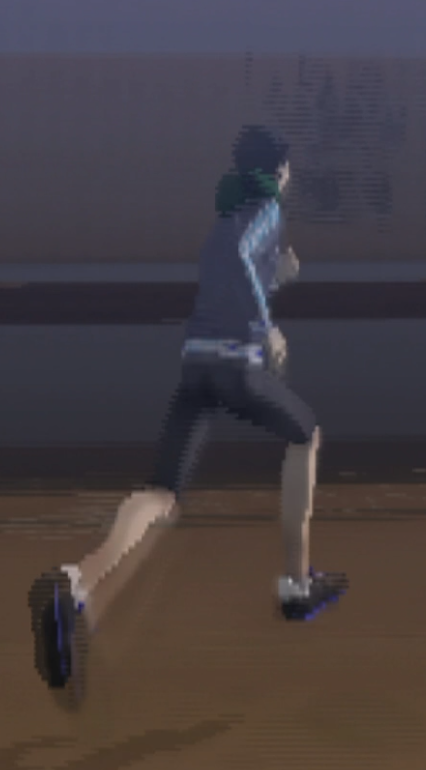
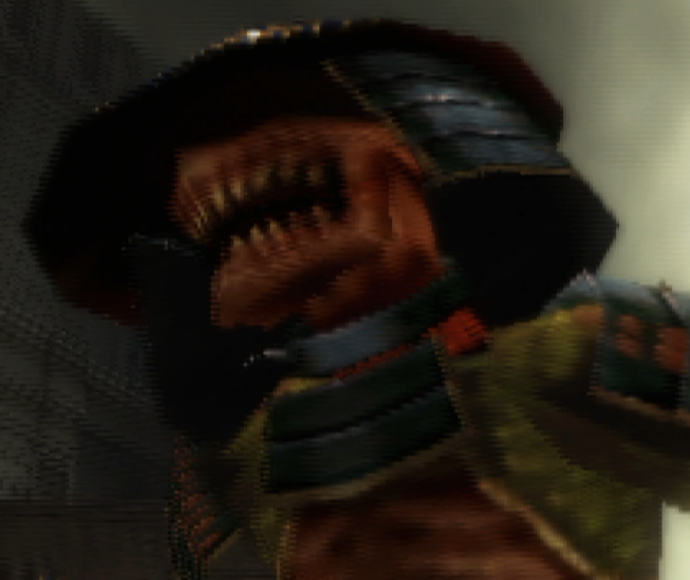
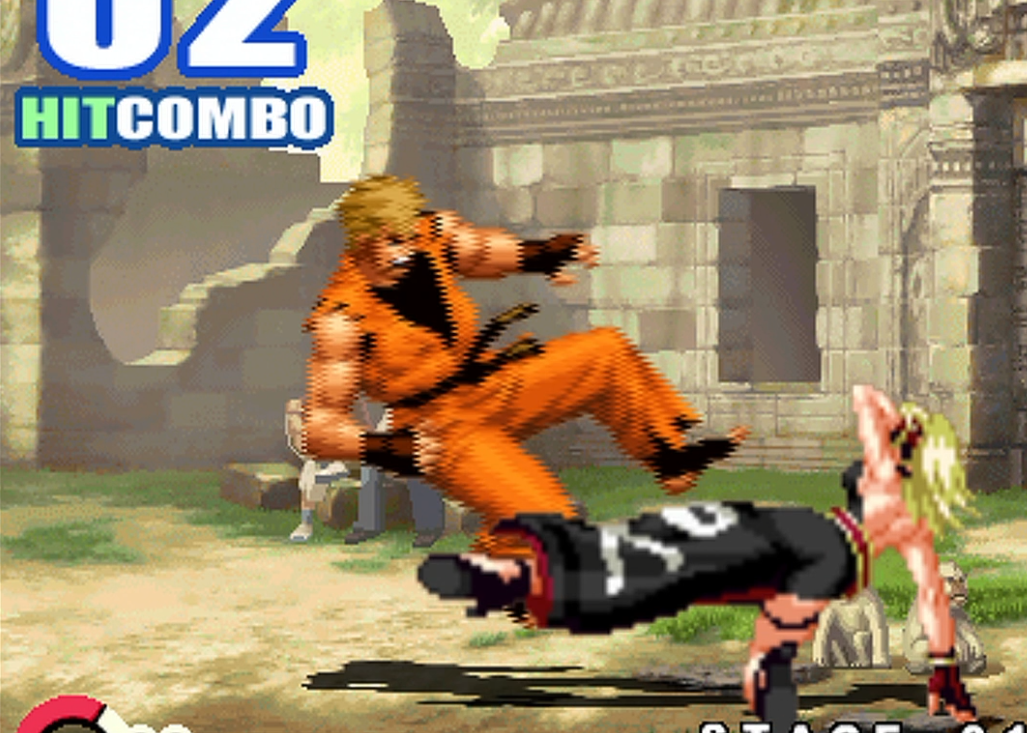
The adaptive de-interlacing is quite basic in its interpretation of the picture, so it does make mistakes. Altera has a more sophisticated version than is used in the OSSC Pro, but it consumes substantially more resources.
The de-interlacing logic measures the difference in contrast across fields between the same and neighboring pixels to determine if there is motion. The resulting value controls whether the pixel is left as-is (weaving) or is given a weighted mean of the value across fields (effectively bobbing or blending.) The Motion Shift adjustment controls the threshold between those modes by dividing the motion value by a power of 2 (shifting the bits in the variable right to decrease the value, hence the somewhat unintuitive name Motion Shift.) At 0 it basically forces bobbing and at 7 it forces weaving.
Dropping Motion Shift to 1 or 2 may reduce the artifacts, but at the cost of increased bobbing in static parts of the image.
The more sophisticated version Altera has uses Sobel edge detection to derive motion vectors and more intelligently determine what to do, but I don’t know if it’s realistic to implement in the OSSC Pro given the additional performance overhead. Sharp pixel graphics are also more unforgiving since they more easily confuse the de-interlacer and reveal artifacts more clearly.

.